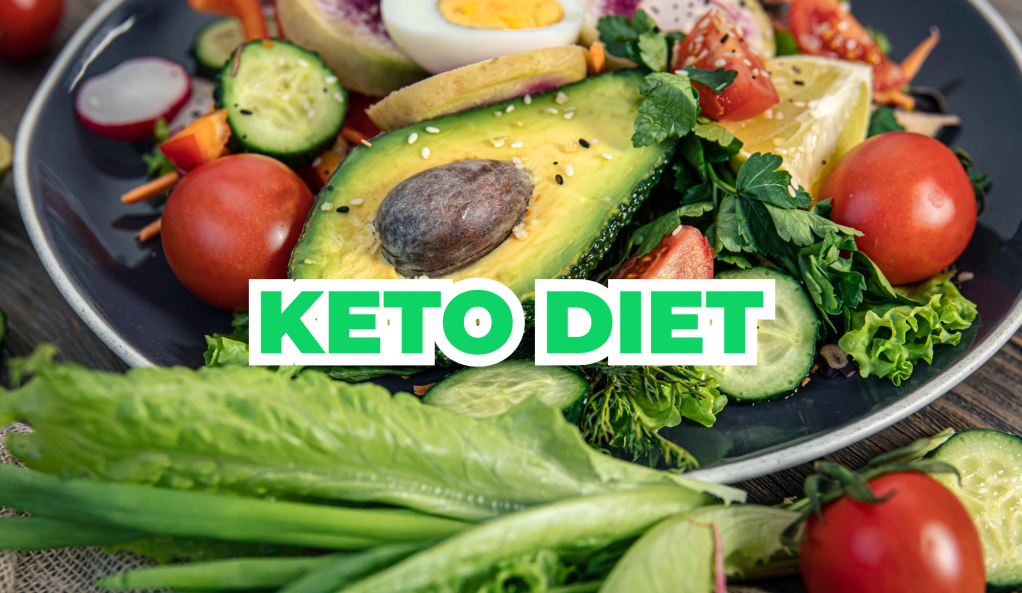
About keto diet.
The keto diet, short for ketogenic diet, is a high-fat, low-carbohydrate diet that has been shown to promote weight loss and improve certain health conditions. The main idea behind the keto diet is to get your body into a state of ketosis, where it burns fat for fuel instead of carbohydrates.
In a typical keto diet, about 70-80% of your daily calories come from fat, 10-20% from protein, and less than 10% from carbohydrates. This means that you will need to cut out most high-carb foods, such as bread, pasta, rice, and sugar, and replace them with healthy fats like avocados, nuts, seeds, and oils.
While the keto diet has been shown to be effective for weight loss and improving blood sugar control in people with diabetes, it is not suitable for everyone. Some people may experience side effects like fatigue, constipation, and nutrient deficiencies, and the long-term health effects of the keto diet are still not well understood.
HERE ARE SOME TIPS TO HELP YOU SUCCEED WITH A KETOGENIC DIET:
1. Focus on healthy fats: Your diet should be high in healthy fats such as avocado, olive oil, coconut oil, nuts and seeds, and fatty fish.
2. Limit your carb intake: Your carb intake should be less than 50 grams per day. Avoid high-carb foods such as bread, pasta, rice, and sugary drinks.
3. Incorporate low-carb vegetables: Eating plenty of non-starchy vegetables, such as broccoli, cauliflower, zucchini, and spinach, can help you meet your nutrient needs while keeping your carb intake low.
3. Stay hydrated: It’s important to drink plenty of water on a ketogenic diet to prevent dehydration and help your body burn fat.
4. Monitor your protein intake: While protein is an essential macronutrient, consuming too much can kick you out of ketosis. Aim for moderate protein intake, around 1-1.5 grams per kilogram of body weight.
5. Plan your meals: Meal planning and preparation can help you stick to your ketogenic diet and avoid temptation.
6. Consider supplements: Supplements such as magnesium, potassium, and omega-3 fatty acids may be helpful to support your overall health while on a ketogenic diet.
SOME OF THE SIDE EFFECTS OF A KETO DIET;
The keto diet that has been shown to be effective for weight loss and improving certain health conditions, such as type 2 diabetes and epilepsy. However, like any diet, the keto diet can have some side effects, including:
1. Flu-like symptoms: During the first few days or weeks of starting the keto diet, some people may experience flu-like symptoms, including headaches, fatigue, irritability, and nausea. This is sometimes referred to as the “keto flu” and is caused by the body adjusting to the new diet.
2. Constipation: The keto diet is low in fiber, which can lead to constipation for some people. It’s important to make sure you’re getting enough fiber from non-starchy vegetables and other sources.
3. Increased cholesterol levels: Some studies have shown that the keto diet can increase levels of LDL (“bad”) cholesterol, which can be a risk factor for heart disease.
4. Dehydration: When you’re on the keto diet, your body is using up glycogen stores, which can lead to water loss and dehydration. It’s important to drink plenty of water and electrolytes to prevent this.
5. Kidney stones: The keto diet can increase the risk of kidney stones in some people, especially if they have a history of kidney stones.
6. Bad breath: One common side effect of the keto diet is bad breath, which is caused by the increased production of ketones.
7. Nutrient deficiencies: Because the keto diet is very restrictive, it can be difficult to get all the nutrients your body needs. It’s important to work with a healthcare professional to make sure you’re getting all the necessary nutrients
Remember to always talk to your healthcare provider before starting any new diet.
It’s important to talk to a healthcare professional before starting a keto diet, especially if you have any underlying health conditions or are taking medications. They can help you determine whether the keto diet is right for you and provide guidance on how to safely follow the diet.

 Life Health Tips