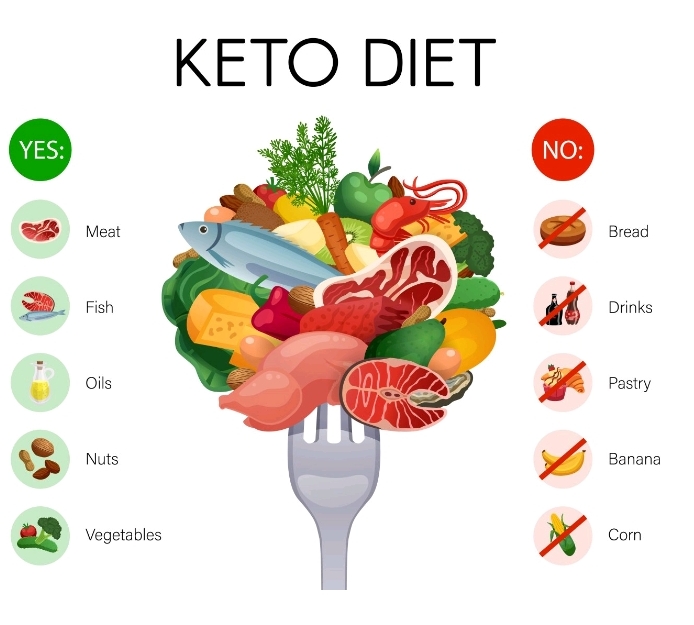
While there are no specific home remedies for the keto diet itself, there are some natural remedies that may help with some of the common side effects that people experience when they first start the diet. Here are a few suggestions:
Increase your salt intake: The keto diet can cause your body to excrete more salt than usual, which can lead to dehydration and electrolyte imbalances. Adding more salt to your food or drinking a cup of salty both can help replenish your sodium levels.
Drink plenty of water: Staying hydrated is crucial when following the keto diet, as it can help alleviate some of the side effects such as constipation, headaches, and fatigue. Aim to drink at least eight glasses of water per day.
Eat more fiber-rich foods: Since the keto diet is low in carbohydrates, it can be easy to become constipated. Eating more fiber-rich foods such as leafy greens, nuts, and seeds can help keep your digestive system regular.
Use natural sweeteners: If you have a sweet tooth but want to stick to the keto diet, consider using natural sweeteners such as stevia, erythritol, or monk fruit extract instead of sugar.
Exercise regularly: Regular exercise can help improve your energy levels and boost your mood, both of which can be affected by the keto diet. Aim to get at least 30 minutes of moderate-intensity exercise per day.
HOW TO PREPARE YOURSELF FOR A KETO DIET
. Here are some steps to help you prepare for a keto diet:
Understand the basics of a keto diet: A keto diet typically involves consuming around 70-75% of your daily calories from fat, 20-25% from protein, and 5-10% from carbohydrates. This puts your body in a state of ketosis, where it burns fat for energy instead of glucose from carbohydrates.
Plan your meals: To successfully follow a keto diet, you need to plan your meals in advance. Focus on foods that are high in healthy fats, such as avocados, nuts, seeds, and fatty fish. Include moderate amounts of protein, such as chicken, beef, and eggs, and limit your intake of carbohydrates to low-glycemic vegetables like leafy greens, broccoli, and cauliflower.
Stock up on keto-friendly foods: Make sure your pantry and fridge are stocked with keto-friendly foods. This includes items such as coconut oil, olive oil, grass-fed butter, full-fat cheese, and non-starchy vegetables.
Stay hydrated: Drinking plenty of water is important on a keto diet. Aim to drink at least 8 glasses of water per day, and consider adding electrolyte supplements or drinking bone broth to replenish important minerals.
Consult with a healthcare professional: Before starting any new diet, it’s always a good idea to consult with a healthcare professional, especially if you have any underlying health conditions or concerns.
Remember, the keto diet may not be suitable for everyone, and it’s important to listen to your body and make adjustments as needed.
It’s important to remember that the keto diet may not be suitable for everyone and it’s always a good idea to speak with a healthcare provider before making any significant changes to your diet.

 Life Health Tips