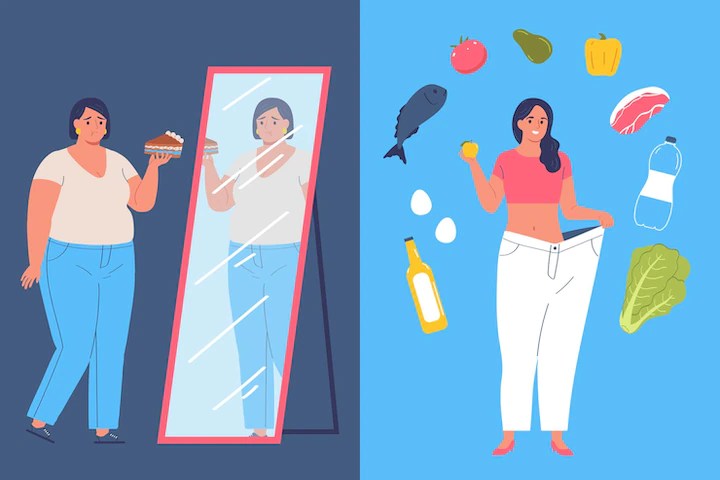
Effects of Rapid Weight Loss
Losing weight rapidly can have both positive and negative effects on your body.
At the end of this blog you should at least be able to understand the importance of each.
Here are some possible effects of rapid weight loss:
•Positive Effects of Rapid Weight loss:
1. Improved metabolic health: Rapid weight loss can improve metabolic health by reducing insulin resistance and improving blood sugar control.
2. Increased energy levels: Losing weight can increase energy levels, especially if the weight loss is achieved through a combination of diet and exercise.
3. Improved self-esteem: Rapid weight loss can improve self-esteem and confidence, leading to a more positive body image.
4. Reduced risk of chronic diseases: Rapid weight loss can reduce the risk of chronic diseases such as type 2 diabetes, heart disease, and certain types of cancer.
•Negative Effects of Rapid Weight loss:
1. Muscle loss: Rapid weight loss can lead to the loss of muscle mass, which can decrease metabolic rate and make it harder to maintain weight loss.
2. Nutrient deficiencies: Rapid weight loss can result in nutrient deficiencies, especially if the weight loss is achieved through a very low calorie diet that restricts certain food groups.
3. Gallstones: Rapid weight loss can increase the risk of developing gallstones, which can cause abdominal pain and other symptoms.
4. Loose skin: Rapid weight loss can result in loose skin, especially if the weight loss is significant and occurs over a short period of time.
WHY SHOULD I LOSE WEIGHT AT A SLOW RATE CONT’…?
Losing weight slowly has several important benefits though it requires patience and consistency.
The benefits includes the following:
1. Sustainable weight loss: Losing weight slowly allows your body to adjust to the changes gradually, making it more likely that you will be able to maintain your new weight in the long term. Rapid weight loss can lead to a loss of muscle mass and a slower metabolism, making it more difficult to keep the weight off.
2. Better health outcomes: Slow and steady weight loss has been shown to improve overall health outcomes, including reducing the risk of chronic diseases such as heart disease, diabetes, and hypertension. Rapid weight loss, on the other hand, can put stress on the body and increase the risk of health complications.
3. Improved mental health: Rapid weight loss can be stressful and overwhelming, leading to feelings of anxiety and depression. Losing weight slowly can help to reduce these negative emotions and improve your overall mental health.
4. Healthier habits: Losing weight slowly allows you to establish healthier habits that can be maintained over the long term. Fad diets or extreme weight loss methods are often not sustainable and can lead to a rebound in weight gain once the diet is over.
Overall, losing weight slowly and steadily is a more effective and sustainable approach to weight loss than rapid weight loss methods. It allows your body to adjust to the changes gradually, improves your overall health outcomes, and helps you establish healthier habits that can be maintained over the long term.
It’s important to note that rapid weight loss is not sustainable in the long term, and can often lead to weight regain. Gradual weight loss achieved through a balanced and sustainable diet and exercise plan is usually the most effective way to achieve and maintain weight loss over the long term.
It’s important to talk to a healthcare professional before starting a course of losing weight.

 Life Health Tips